
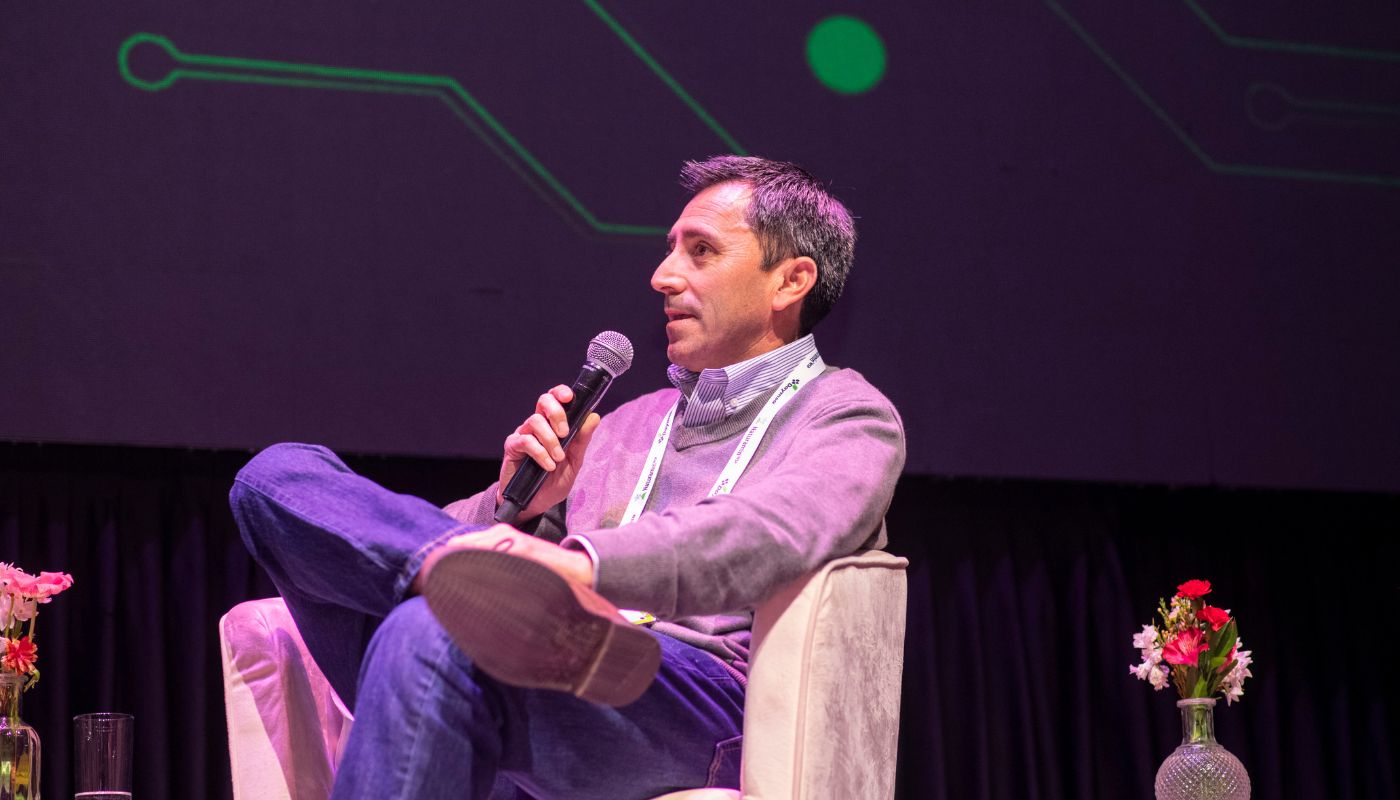
At the CherryTech 2026 producers’ forum, titled “How to Face the Second Half? An Analysis from the Producer’s Perspective,” Alejandro Salas shared a direct view of the challenges facing the industry today, marked by increased production and commercial demands. One of his most impactful messages was the profitability threshold they now use internally to evaluate their orchards.
He explained that at Solfrut, they use a management tool based on a production-commercial “traffic light” system, which allows them to classify each orchard block according to productivity and economic return. “When we did this analysis for cherries, orchards with less than 8 tons per hectare were not profitable and we had to remove them,” he noted. He added that orchards with yields between 10 and 12 tons per hectare remain in an intermediate or “yellow” zone, while those exceeding 12 tons fall into the green category.
This methodology, originally developed during the apple crisis, has now become a strategic tool for decision-making in the cherry sector. Beyond simply uprooting orchards, the goal is to identify opportunities for improvement and assess whether a project can regain competitiveness in the short term.
Regarding the market, Salas emphasized that early cherries remain an attractive option, especially given the historically high prices seen in the first weeks of marketing. However, he cautioned that early profitability cannot compromise quality.
“We need to maintain yields to ensure profitability, but we must never lose sight of quality,” he stressed, adding that variables such as soluble solids and condition upon arrival must remain priorities.
Finally, the executive called on the entire production chain to move toward common quality standards where producers, exporters, and the entire chain must align themselves under more demanding and shared criteria. He emphasized that the future of the business will depend on the industry’s ability to sustain premium fruit and respond to increasingly demanding markets, ensuring that cherries still have a future.
You can read the full interview here.